Decoy effect
Add a third option to a two-option choice and watch one of the original two suddenly look much better. That’s the decoy effect, sometimes called asymmetric dominance. The classic example is The Economist’s old pricing: online-only at $59, print-only at $125, print + online also at $125. The print-only option is the decoy. Nobody picks it, but its presence makes “print + online for the same price” feel like a gift.
The mechanism is comparative. People struggle to evaluate options on absolute terms, so they reach for the easiest comparison available. Drop a third option that’s clearly dominated on at least one axis by your target choice, and the comparison gets framed for them.
In practice
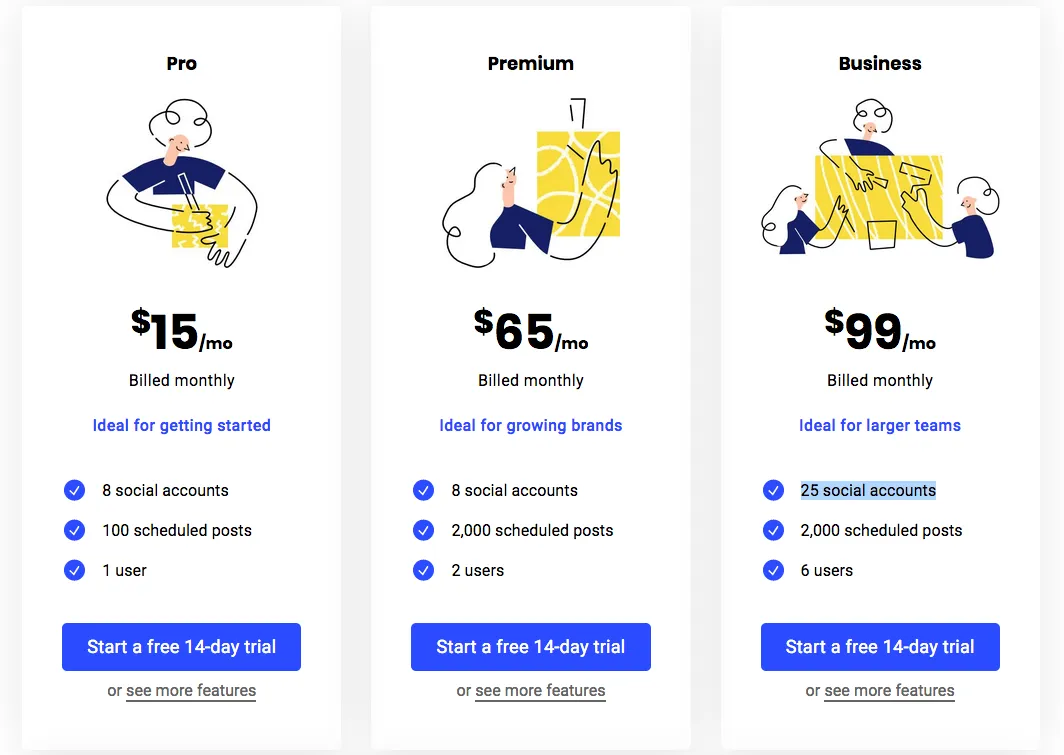
Section titled “In practice”- Three-tier subscription pricing. The lowest tier is built to look thin, the highest tier to be too much, the middle tier to be the one you actually want sold.
- Bundles vs singles. £40 for one, £45 for two with a free gift. The single is the decoy.
- Shipping tiers. Free 5-day / £3.99 next-day works. Free 5-day / £3.99 2-day / £4.99 next-day pushes more people to £3.99 by making it look reasonable.
- Insurance and protection upsells. “Standard cover” is rarely the chosen option. It exists to make “premium” feel proportionate.
Where it goes wrong
Section titled “Where it goes wrong”The decoy has to be visibly dominated but not absurd. If the user clocks that the £125 print-only is a price-anchor trick, you’ve burned trust. It works best when the decoy could plausibly be chosen by a different kind of customer, even if your typical buyer wouldn’t.
The other failure mode is no clear target. Three tiers where two look like decoys, or where the intended winner isn’t obviously dominant, just produces decision paralysis - now you’ve fed the paradox of choice instead of solving it.
Worth disambiguating from neighbours. Anchoring is about a number setting the scale of judgement. Decoy is specifically about dominance - the target option beats the decoy on at least one dimension while matching on another. The compromise effect is the related but distinct pull toward whichever option is in the middle, regardless of dominance.